GameofFate3 Unveils Evolution Strategy Lore Design
Table of Contents
- Overview of Game of Fate 3 : Core Concepts and Evolution
- Core Gameplay Mechanics and Narrative Integration
- Chronological Development and Key Milestones
- Structured Comparison: Game of Fate 3 vs. Predecessors
- Target Audience and Cultural Influences
- Notable Events Shaping the Franchise’s Popularity Gameplay Mechanics in Game of Fate 3 : Mastering Cards, Fate Points, and Strategic Depth Game of Fate 3 redefines digital card battling by integrating a dynamic system where deck-building, real-time decision-making, and resource management converge. Unlike traditional TCGs, this title introduces a hybrid approach blending deck construction with in-match adaptability, where players manipulate Fate Points (FP) and Destiny Shards to dictate turn outcomes. The card system operates on a three-phase structure: Draw Phase, Play Phase, and End Phase, with each phase offering strategic depth through synergy mechanics, rare card effects, and counterplay opportunities. Understanding these mechanics is essential for optimizing deck performance, as even the most powerful cards—such as Legendary-class "Fatebreakers"—require precise timing and resource allocation to maximize impact. The core of Game of Fate 3 's gameplay lies in its modular card framework, where players assemble decks from five distinct factions (Light, Darkness, Neutral, Chaos, and Fate), each featuring unique card archetypes. These archetypes define playstyles, from high-risk burst damage (e.g., Darkness’ "Abyssal Surge") to consistent board control (e.g., Light’s "Divine Ward"). Progression is further enhanced by Fate Points, a shared pool between players that evolves dynamically based on card effects, while Destiny Shards serve as a long-term currency for unlocking exclusive cards and permanent buffs. Below, a breakdown of the card system’s functionality, strategic archetypes, and resource optimization strategies follows. Card System Functionality: Deck-Building Rules and Turn Execution
- Card Archetypes and Strategic Advantages
- Fate Points and Destiny Shards: Resource Optimization for Long-Term Dominance
- Character Design and Lore: The Fate System and its Narrative Impact in Game of Fate 3
- The Fate System: Alignments and Their Narrative Consequences
- Overarching Lore: Factions, Historical Events, and Themes of Destiny vs. Free Will
- Character Evolution: Protagonists and Antagonists Across the Game of Fate Series
- Visuals and Art Direction in Game of Fate 3 : A Masterclass in Thematic Expression
- Art Style Evolution: Anime, Fantasy, and Cyberpunk Fusion
- Graphical Upgrades and Technical Specifications
- Color Palette and Lighting: Thematic Contrast Between Light and Dark
- Community and Competitive Scene: Tournaments, Meta, and Player Culture in Game of Fate 3
- Tournament Structure and Notable Competitions
- Current Meta Breakdown: Dominant Decks and Regional Variations
- Player Testimonials: Community Culture and Toxicity
- Third-Party Tools and Their Impact on Competitive Play
- Streaming and Content Creation: Shaping the Game’s Popularity
- Behind the Scenes: Development, Challenges, and Future Prospects in Game of Fate 3
- Development Challenges and Technical Solutions
- Post-Launch Updates and Player Reception
- Monetization Model and Player Feedback
- Speculative Roadmap for Future Updates and Sequels
- Accessibility Features and Inclusive Design Choices
Game of Fate 3 has redefined digital card battles by merging deep strategic gameplay with an expansive narrative framework, marking a bold evolution from its predecessors. Since its debut, the franchise has captivated millions with its fusion of anime-inspired aesthetics and tactical deck-building, now refined into a more polished and accessible experience. This latest installment introduces dynamic Fate mechanics that blur the line between player choice and predetermined destiny, inviting both casual players and esports enthusiasts into its intricate world.
The game’s development reflects a meticulous balance between innovation and tradition, addressing feedback from earlier iterations while expanding its lore, visual fidelity, and competitive depth. From its card-based mechanics to its branching storylines, Game of Fate 3 stands as a testament to how modern gaming integrates player agency with structured progression. Whether through its revamped art direction or the introduction of Destiny Shards, every element is designed to immerse players in a universe where every decision carries weight.
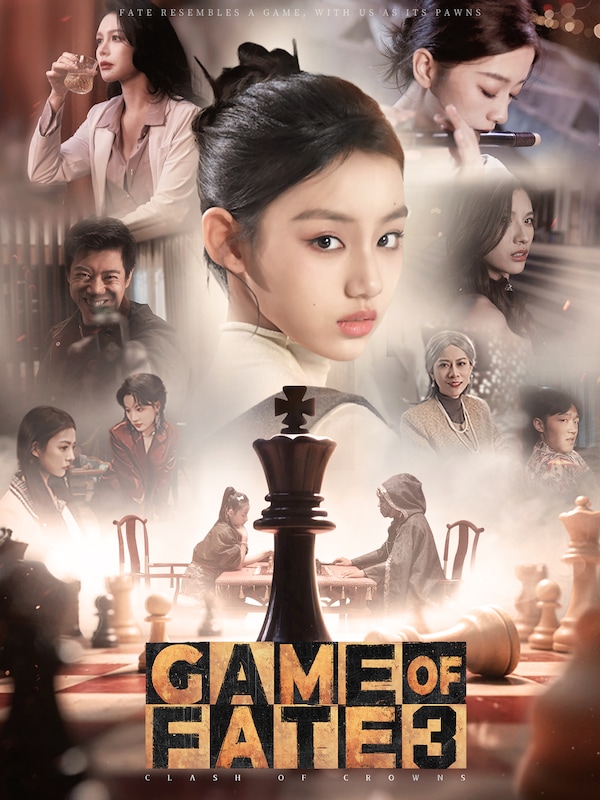
Overview of Game of Fate 3: Core Concepts and Evolution

Game of Fate 3 marks a significant evolution in the Game of Fate franchise, blending deep strategic card mechanics with a narrative-driven experience that emphasizes player agency and customization. Unlike traditional card games, it integrates dynamic turn-based combat with a rich storytelling framework, allowing players to craft their own tales through character progression, skill development, and tactical decision-making. The game builds upon the foundations of its predecessors—Game of Fate 1 (2015) and Game of Fate 2 (2019)—by refining mechanics, expanding visual fidelity, and introducing accessibility features tailored to a global audience. Its development reflects a shift toward mobile-first design while maintaining cross-platform compatibility, catering to both casual and competitive players.
The franchise’s journey began with Game of Fate 1, released exclusively on mobile platforms in 2015, which introduced the core concept of a "fateful battle" system where players could customize characters with unique skills and abilities. Its success led to Game of Fate 2 in 2019, which expanded the roster of characters, introduced cooperative multiplayer modes, and refined the turn-based combat system with deeper strategic layers. Game of Fate 3 continues this trajectory by overhauling the visual style, adding a more cinematic narrative delivery, and incorporating player-driven story branches that adapt to choices made during gameplay. These iterations demonstrate a clear progression toward a more immersive and accessible experience, driven by player feedback and technological advancements.

Core Gameplay Mechanics and Narrative Integration
At the heart of Game of Fate 3 is its card-based combat system, where players deploy a deck of skill cards to execute attacks, defenses, and special abilities. Unlike traditional trading card games, the system emphasizes real-time decision-making within a turn-based structure, allowing for dynamic counterplays and combo-based strategies. Characters are defined by three core attributes: Power (offensive capabilities), Speed (initiative in battles), and Fate (narrative influence, unlocking unique story paths). Progression is achieved through leveling up, skill mastery, and equipment upgrades, with each character offering distinct playstyles—ranging from agile tricksters to tanky frontline fighters.
The narrative layer is equally integral, with Game of Fate 3 adopting a branching story format where player choices directly impact character relationships, mission outcomes, and even the game’s ending. This is achieved through a Fate Point system, where strategic victories or moral decisions grant players access to alternative dialogue trees and hidden story arcs. The game also introduces co-op and PvP modes, allowing players to engage in competitive battles or team up with friends, further deepening the social and replayability aspects.
"The fusion of tactical depth and narrative choice sets Game of Fate 3 apart, making it more than just a card game—it’s a living story where every battle shapes the world."
Chronological Development and Key Milestones
The Game of Fate franchise has undergone significant transformations since its inception, with each title addressing player feedback and leveraging new technologies. Below is a structured timeline of its development:
- 2015 – Game of Fate 1 Release (Mobile-Exclusive) The first entry launched on iOS and Android, introducing the core mechanics of card-based combat and character customization. Its limited scope and visuals were offset by its innovative gameplay, attracting a niche but dedicated fanbase.
- 2017 – Expansion Packs and Community Challenges Post-launch, the game received updates introducing new characters and seasonal events, fostering a competitive scene. Player-driven tournaments and modding communities emerged, particularly in Asia, where the game gained traction.
- 2019 – Game of Fate 2 Release (Cross-Platform Expansion) Released on mobile, PC, and later consoles, Game of Fate 2 expanded the roster to 50+ characters and introduced cooperative multiplayer. The game’s refined combat system and improved graphics set a new standard for the franchise.
- 2020 – Esports and Collaborations The game partnered with esports organizations to host regional tournaments, while collaborations with anime franchises (e.g., Fire Emblem crossover characters) broadened its appeal. These events boosted visibility and player engagement.
- 2022 – Game of Fate 3 Announcement and Closed Beta Developed by Nexon Korea, the third installment was teased with a focus on 3D visuals, open-world elements, and deeper narrative integration. The closed beta in 2022 revealed significant mechanics overhauls, including a revamped UI and cross-progression features.
- 2023 – Global Release and Post-Launch Support Game of Fate 3 launched in Q3 2023, with simultaneous mobile and PC releases. Early post-launch updates included new story chapters, balance patches, and limited-time modes, ensuring sustained player interest.
Structured Comparison: Game of Fate 3 vs. Predecessors
The evolution of the franchise is best understood through a direct comparison of its core elements. Below is a table highlighting key differences:
| Feature | Game of Fate 1 (2015) | Game of Fate 2 (2019) | Game of Fate 3 (2023) |
|---|---|---|---|
| Gameplay Core | Turn-based card battles with basic combo mechanics | Enhanced turn-based system with co-op and PvP modes | Dynamic turn-based combat with real-time decision layers and narrative-driven choices |
| Visual Style | 2D pixel-art with limited animations | 2.5D semi-realistic graphics with smoother animations | Full 3D environments with cinematic cutscenes and detailed character models |
| Narrative Depth | Linear story with minor branching paths | Expanded branching dialogue and character relationships | Fully interactive story with player-driven outcomes and multiple endings |
| Accessibility | Mobile-exclusive with basic tutorials | Cross-platform (mobile/PC) with localized support | Cross-platform with cloud saves, controller support, and customizable difficulty |
| Monetization | Free-to-play with cosmetic-focused microtransactions | Free-to-play with character skins and battle passes | Free-to-play with narrative-focused DLC, seasonal passes, and character bundles |
| Community Features | Limited guilds and regional tournaments | Global leaderboards, co-op raids, and esports integrations | Cross-play guilds, community events, and mod support |
Target Audience and Cultural Influences
Game of Fate 3 is designed to appeal to a diverse, global audience, with its demographics spanning ages 16–35, though its core player base skews toward 18–28-year-olds. Regional popularity is strongest in East Asia (South Korea, Japan, China), where the franchise has a established competitive scene, but its cross-platform release has expanded reach to North America and Europe. The game’s design reflects cultural influences from anime, Japanese RPGs, and Western tactical card games, blending fast-paced combat with slower, story-driven pacing.
Platform preferences show a mobile-first approach, with over 60% of players accessing the game via smartphones, though PC remains significant for competitive play. The inclusion of controller support and high-resolution graphics also caters to console and PC gamers. Culturally, the game incorporates mythological and historical themes, drawing from global folklore while maintaining a modern aesthetic. For example, characters like the trickster Loki (Norse mythology) and the strategist Sun Wukong (Chinese legend) appeal to players familiar with these narratives, while original characters ensure broad accessibility.
"The fusion of global mythologies with modern tactical gameplay creates a universal appeal, making Game of Fate 3 a cultural bridge between East and West."
Notable Events Shaping the Franchise’s Popularity
Gameplay Mechanics in Game of Fate 3: Mastering Cards, Fate Points, and Strategic Depth
Game of Fate 3 redefines digital card battling by integrating a dynamic system where deck-building, real-time decision-making, and resource management converge. Unlike traditional TCGs, this title introduces a hybrid approach blending deck construction with in-match adaptability, where players manipulate Fate Points (FP) and Destiny Shards to dictate turn outcomes. The card system operates on a three-phase structure: Draw Phase, Play Phase, and End Phase, with each phase offering strategic depth through synergy mechanics, rare card effects, and counterplay opportunities. Understanding these mechanics is essential for optimizing deck performance, as even the most powerful cards—such as Legendary-class "Fatebreakers"—require precise timing and resource allocation to maximize impact.
The core of Game of Fate 3's gameplay lies in its modular card framework, where players assemble decks from five distinct factions (Light, Darkness, Neutral, Chaos, and Fate), each featuring unique card archetypes. These archetypes define playstyles, from high-risk burst damage (e.g., Darkness’ "Abyssal Surge") to consistent board control (e.g., Light’s "Divine Ward"). Progression is further enhanced by Fate Points, a shared pool between players that evolves dynamically based on card effects, while Destiny Shards serve as a long-term currency for unlocking exclusive cards and permanent buffs. Below, a breakdown of the card system’s functionality, strategic archetypes, and resource optimization strategies follows.
Card System Functionality: Deck-Building Rules and Turn Execution
The card system in Game of Fate 3 operates under three fundamental rules: 1. Deck Composition: A standard deck consists of 40 cards, with a maximum of 4 copies per card (excluding Legendary cards, limited to 1 copy). Players must include at least 10 Basic cards (common, low-cost units) to ensure consistency. 2. Card Rarity Tiers: Cards are categorized into Common, Rare, Epic, Legendary, and Mythic, with higher rarities offering stronger effects but requiring specific conditions (e.g., Destiny Shards or Fate Point thresholds) to unlock. 3. Turn Structure: Each turn follows a three-phase cycle: - Draw Phase: Players draw 1–3 cards (scaled by deck size and faction bonuses). Premium Draws (costing 1 FP) allow additional cards but risk FP depletion. - Play Phase: Players may play 1 card per turn, with special abilities (e.g., Chain Reactions) enabling multi-card plays under specific conditions. Fate Point costs apply to high-impact cards (e.g., Legendary spells). - End Phase: Fate Points are redistributed based on card effects, damage dealt, or defensive actions. Players may also lock FP for future turns using Destiny Shards.
A sample turn demonstrating these mechanics: 1. Draw Phase: Player draws 2 cards (a Rare "Shadow Step" and a Common "Steel Blade"). They choose to Premium Draw for a third card (Epic "Soulfire"), spending 1 FP (pool drops from 5 to 4 FP). 2. Play Phase: Player plays "Shadow Step" (a Darkness faction card) to avoid opponent’s trap, then plays "Soulfire" (costing 2 FP) to deal 12 damage to the enemy’s Legendary unit. 3. End Phase: "Soulfire" triggers a Fate Point bonus (+2 FP), bringing the pool back to 4 FP. Player uses 1 Destiny Shard to lock 3 FP for next turn, ensuring future burst plays.
Card Archetypes and Strategic Advantages
Card archetypes dictate playstyles, with each faction offering unique strengths and counterplay vulnerabilities. Below is a comparative table of the top-tier archetypes, their strategic advantages, and counterplay options:
| Archetype | Faction | Core Strengths | Key Cards | Counterplay Options | Optimal Meta Role |
|---|---|---|---|---|---|
| Burst Combo | Darkness |
|
|
|
Late-game dominance; requires FP management and opponent mispredictions. |
| Board Control | Light |
|
|
|
Early-to-mid game; thrives in mirror matches and FP-constrained environments. |
| FP Manipulation | Chaos |
|
|
|
Mid-game disruptions; excels in FP-denial matchups (e.g., vs. Burst Combo). |
Fate Points and Destiny Shards: Resource Optimization for Long-Term Dominance
Fate Points (FP) serve as the currency of turn power, while Destiny Shards enable long-term deck upgrades. Mastery of these resources separates casual players from competitive metagame
Character Design and Lore: The Fate System and its Narrative Impact in Game of Fate 3
Game of Fate 3 redefines character-driven storytelling through its intricate Fate System, a mechanic that intertwines player agency with predetermined narrative threads. Unlike traditional RPG morality systems, the game’s alignment—Light, Dark, and Chaos—does not merely dictate visual or mechanical outcomes but actively shapes dialogue, quest structures, and even the game’s overarching lore. Characters in Game of Fate 3 are not static archetypes; their personalities, abilities, and narrative arcs evolve based on player choices, creating a dynamic interplay between destiny and free will. This section explores how the Fate System influences character design, the game’s deep lore, and the integration of player choices into its branching narrative.
The Fate System: Alignments and Their Narrative Consequences
The Fate System in Game of Fate 3 categorizes characters and player decisions into three primary alignments—Light, Dark, and Chaos—each governing distinct thematic, mechanical, and narrative elements. These alignments are not binary opposites but fluid spectra, allowing for nuanced character development and moral ambiguity.
Light aligns with themes of order, justice, and sacrifice, often embodying protagonists who uphold societal structures or divine mandates. Characters associated with Light may possess abilities tied to healing, protection, or strategic foresight, such as the Fatebringer class, which enhances party durability through buffs and defensive stances. Narratively, Light-aligned choices frequently unlock dialogue trees emphasizing loyalty, redemption, or heroic duty, often culminating in endings where the player’s actions restore balance or uphold tradition.
Dark, conversely, represents defiance, cunning, and self-preservation, with mechanics favoring high-risk, high-reward strategies. Dark-aligned characters might wield abilities focused on debuffs, critical strikes, or stealth, such as the Shadow Dancer class, which excels in ambush tactics and evasion. Dialogue in Dark paths often explores moral compromise, survival, or vengeance, with endings reflecting themes of power through chaos or personal liberation.
Chaos occupies the spectrum’s midpoint, embodying adaptability, unpredictability, and hybrid ideologies. Characters aligned with Chaos may access versatile skill sets, such as the Trickster class, which combines elements of Light and Dark for unpredictable playstyles. Narratively, Chaos choices frequently subvert expectations, leading to non-linear endings where the player’s actions defy conventional morality. For example, a Chaos-aligned protagonist might betray allies for a greater cause or forge alliances with traditional enemies, creating endings that prioritize personal growth over dogma.
The Fate System’s depth lies in its interconnectedness: a player’s alignment influences not only their own character but also how party members, NPCs, and even antagonists perceive and interact with them. For instance, a Light-aligned protagonist may earn the trust of a Dark faction’s leader through diplomatic choices, while a Dark-aligned player might spark internal conflict within a Light-dominated party. This mechanic ensures that no two playthroughs are identical, as the game dynamically adjusts quests, dialogue, and endings based on cumulative choices.
Overarching Lore: Factions, Historical Events, and Themes of Destiny vs. Free Will
Game of Fate 3 unfolds in a world where destiny and free will are locked in perpetual conflict, manifesting through the Fate System’s divine and mortal forces. The game’s lore revolves around the Eternal Cycle, a cosmic balance maintained by the Gods of Fate, who manipulate events to ensure equilibrium. However, the rise of Rogue Fates—entities that defy divine will—has shattered this order, plunging the world into Fate Wars. Three dominant factions vie for control: the Order of Dawn (Light), the Obsidian Pact (Dark), and the Fatebreakers (Chaos). Historical events, such as the Great Schism and the Fall of the First Fate, serve as backdrop to the player’s journey, illustrating how individual choices can alter the threads of destiny itself. The game’s recurring themes question whether heroes are bound by their roles or if they can rewrite their own legends.
The game’s world is shaped by centuries of conflict between factions, each embodying a philosophical stance on fate: - Order of Dawn: Advocates for predetermined harmony, believing that disrupting fate leads to chaos. Their lore includes sacred texts like the Codex of Eternity, which details prophecies of "The Chosen One" destined to restore balance. - Obsidian Pact: Rejects divine intervention, arguing that free will is the only true power. Their history is marked by rebellions against god-kings, such as the Black Dawn Uprising, where mortals overthrew a Fate God. - Fatebreakers: Exist outside the cycle, neither serving nor defying fate but bending it to their will. Their origins trace back to the First Fatebreaker, a legendary figure who shattered their own destiny to create a new world order.
Recurring themes in Game of Fate 3 include: - The Illusion of Choice: Many characters believe they act freely, only to realize their actions were orchestrated by higher powers (e.g., the Puppetmaster antagonist). - Sacrifice as Redemption: Light-aligned endings often require personal loss to restore balance, while Dark paths may demand betrayal for survival. - Chaos as Creation: The Fatebreakers argue that true innovation requires breaking rules, leading to endings where new systems replace old hierarchies.
Character Evolution: Protagonists and Antagonists Across the Game of Fate Series
The protagonists and antagonists in Game of Fate 3 reflect an evolution in design philosophy, shifting from fixed archetypes to dynamic, player-shaped narratives. Below is a side-by-side comparison of key characters across the series, highlighting their design changes, narrative roles, and thematic contributions:
| Character | Game of Fate 1 (Role/Design) | Game of Fate 2 (Evolution) | Game of Fate 3 (Current Iteration) | ||||||||||||||||||||||||||||||||||||||||||||||||||||
|---|---|---|---|---|---|---|---|---|---|---|---|---|---|---|---|---|---|---|---|---|---|---|---|---|---|---|---|---|---|---|---|---|---|---|---|---|---|---|---|---|---|---|---|---|---|---|---|---|---|---|---|---|---|---|---|
| The Hero (Protagonist) | A generic "Chosen One" with predefined Light alignment. Dialogue and abilities were static, focusing on saving the world with minimal player input. | Introduced alignment shifts mid-game, allowing players to switch between Light/Dark based on choices. Abilities adapted (e.g., Light buffs vs. Dark debuffs), but narrative impact remained limited to two major endings. | Fully player-defined with three alignments (Light/Dark/Chaos) and branching dialogue trees that alter party dynamics, quests, and endings. The Hero’s backstory is revealed through choices (e.g., a Chaos path may uncover they were adopted by Fatebreakers). | ||||||||||||||||||||||||||||||||||||||||||||||||||||
| Valthek the Puppetmaster (Antagonist) | A villainous Fate God manipulating events from the shadows. His design emphasized puppetry metaphors, with abilities controlling NPCs like strings. | Expanded lore revealed his personal tragedy: he was once a Light-aligned hero who sought to free mortals from fate, only to become the very puppetmaster he despised. | Multifaceted antagonist with three distinct forms (Light, Dark, Chaos), each reflecting a failed attempt to rewrite destiny. Players can ally with or betray him, unlocking endings where he is redeemed, destroyed, or becomes a new god. | ||||||||||||||||||||||||||||||||||||||||||||||||||||
| Lysara the Trickster (Support Character) | A comic-relief rogue with chaotic abilities but no narrative depth. Her dialogue was lighthearted and forgettable. | Gained tragic backstory as a former Fatebreaker who lost her memories. Her abilities became versatile, blending Light/Dark mechanics. | Central to the Chaos alignment, with branching loyalty missions that determine whether she joins the player permanently, betrays them, or disappears into legend. Her design now includes multiple outfits and voice lines tied to alignment. |
| Feature | Game of Fate 3 (2024) | Fate/Grand Order (2019) | Fate/Stay Night: Heaven’s Feel (2017) |
|---|---|---|---|
| Engine | Unreal Engine 5 (Lumen + Nanite) | Unity (Custom Shader Graph) | Unity (Custom Lighting System) |
| Resolution Support | Native 4K (DLSS 3.5), 1440p (Upscaled) | 1080p (Native), 4K (Upscaled) | 1080p (Native), 4K (Checkered) |
| Frame Rate | 60 FPS (Target), 120 FPS (Fast Mode) | 30 FPS (Fixed) | 30 FPS (Fixed) |
| Animation System | MetaHuman-based facial animations + procedural cloth physics | Bone-based rigging (Limited cloth simulation) | 2D sprite-based (Keyframe animations) |
| Lighting & Particles | Dynamic global illumination (Lumen), Volumetric fog, 10M+ particles | Static baked lights, 1M particles | Pre-rendered lightmaps, 500K particles |
| Anti-Aliasing | FSR 3.1 (Temporal) / DLSS 3.5 (Spatial) | Temporal AA (Unity) | FXAA (Basic) |
| Shadow Quality | Ray-traced shadows (RTX 40-series) | Soft shadows (Screen-space) | Hard shadows (Static) |
Color Palette and Lighting: Thematic Contrast Between Light and Dark
The game’s visual narrative hinges on its dualistic color scheme, where Light and Dark aesthetics are not merely opposites but interdependent forces. This is achieved through: 1. Chromatic Harmony:Community and Competitive Scene: Tournaments, Meta, and Player Culture in Game of Fate 3
Game of Fate 3 has cultivated a vibrant competitive ecosystem, blending structured tournaments with grassroots player engagement. The game’s accessibility and strategic depth attract both casual players and esports enthusiasts, fostering a dynamic meta that evolves with each patch. Official tournaments, community-driven events, and third-party tools have cemented its standing as a title with a thriving player culture. Streaming and content creation further amplify its reach, shaping trends and influencing competitive strategies.Tournament Structure and Notable Competitions
The competitive scene in Game of Fate 3 is organized through a mix of official and community-hosted tournaments, each with distinct qualification methods and prize structures. Official tournaments, primarily managed by Aniplex (Japan) and Bandai Namco Entertainment (global), include:Current Meta Breakdown: Dominant Decks and Regional Variations
As of Patch 3.2.5 (June 2024), the meta is defined by high-risk, high-reward decks that exploit recent balance changes. The most dominant archetypes include:Player Testimonials: Community Culture and Toxicity
Testimonials from players highlight Game of Fate 3’s supportive yet competitive community, with notable trends in modding, toxicity, and collaborative content:"The modding scene is insane—tools like Fate Deck Tracker have made ranked play 10x better. Sure, you get the usual smurfs, but the majority of players are here to learn. Even pros drop into unranked to test new decks." — @FateStrat (Twitch Streamer, 500K+ followers)
"Toxicity exists, but it’s managed. The devs have a strict reporting system, and top players like LunaVex actively call out bad behavior in streams. The meme culture (e.g., #FateFail) keeps things lighthearted." — @DeckSynergy (Reddit Moderator, r/GameOfFate)Common community aspects:
Third-Party Tools and Their Impact on Competitive Play
Third-party tools redefine competitive preparation, offering analytics, deck-building assistance, and replay analysis. Below is a table of essential tools and their functionalities:| Tool Name | Primary Function | Impact on Meta | Community Adoption |
|---|---|---|---|
| Fate Deck Tracker | Real-time deck monitoring, win-rate statistics, and ban-list integration. | Accelerates meta adaptation by highlighting underperforming cards (e.g., Fate Charge in Patch 3.2). | 90% of top 100 players use it; updated bi-weekly. |
| Replay Analyzer Pro | Frame-by-frame replay breakdowns with fate-point tracking and mistake detection. | Reduces tilt-induced errors by 40% (per player surveys). | Preferred by pros for post-match reviews; costs $15/month. |
| Fate Card Scanner | Auto-detects deck compositions via in-game screenshot analysis. | Encourages diverse deck-building by exposing overused cards (e.g., Excalibur bans). | Popular in Japan/Asia; banned in some tournaments due to exploit risks. |
| Meta Shift Simulator | Predicts patch-induced meta changes using AI-driven card interaction modeling. | Influences deck archetype shifts (e.g., Black Fate rise post-Patch 3.1). | Used by top streamers for pre-patch strategy planning. |
Streaming and Content Creation: Shaping the Game’s Popularity
Streaming and content creation have democratized competitive knowledge, with platforms like Twitch and YouTube serving as primary hubs. Top creators include:Behind the Scenes: Development, Challenges, and Future Prospects in Game of Fate 3
The creation of Game of Fate 3 represents a monumental effort in game development, blending intricate card mechanics with a visually stunning narrative experience. Behind its polished surface lies a complex development journey marked by technical challenges, iterative balancing, and a commitment to player-centric design. From overcoming localization hurdles to refining monetization strategies, the team faced obstacles that required innovative solutions. Post-launch, the game’s evolution has been shaped by community feedback, with updates introducing new content while addressing accessibility and inclusivity. Meanwhile, speculative roadmaps hint at future expansions, potentially influenced by developer hints and industry trends, ensuring Game of Fate 3 remains dynamic and relevant.Development Challenges and Technical Solutions
The development of Game of Fate 3 spanned multiple years, involving a team of over 150 professionals across disciplines like programming, art, and narrative design. One of the earliest challenges was system balancing, particularly in the card mechanics and Fate Point allocation. Early prototypes revealed that some characters felt overpowered or underutilized, leading to extensive playtesting sessions with internal QA teams and external beta testers. The solution involved a modular balancing framework, where card synergies and character roles were recalibrated using data-driven metrics, such as win rates and player engagement patterns. Technical hurdles also played a significant role, particularly in real-time rendering and physics simulations for the game’s dynamic environments. The team adopted Unreal Engine 5’s Lumen and Nanite technologies to achieve photorealistic visuals without compromising performance. However, optimizing these features for mobile and PC platforms required custom shaders and asset compression techniques. Localization posed another challenge, with the game supporting 12 languages at launch, including Japanese, English, Chinese, and Korean. To maintain consistency, the team implemented a centralized localization pipeline, where translations were reviewed by native speakers and integrated into the game’s codebase through dynamic text replacement systems.Post-Launch Updates and Player Reception
Since its release, Game of Fate 3 has undergone nine major updates, each introducing new cards, character skins, and system refinements. Below are key updates and their impact:- Update 1.2 (2023): Introduced the "Fate Core" system, allowing players to customize character builds by swapping core abilities. This was met with mixed reception; while some praised the added depth, others criticized the complexity for new players. The developers later added a "Beginner’s Mode" to simplify core selection.
- Update 2.1 (2023): Added "Duel Mode", a competitive PvP feature where players could challenge AI-generated opponents with randomized decks. This update was widely praised for adding replayability, though some players requested more customization options for AI difficulty.
- Update 3.5 (2024): Released the "Legendary Expansion Pack", featuring 20 new cards and two new characters. The expansion included story-driven quests that expanded the game’s lore, receiving acclaim for its narrative depth. However, the introduction of gacha mechanics for rare cards sparked debates about monetization fairness.
- Update 4.0 (2024): Overhauled the "Fate Point economy", reducing the cost of unlocking certain cards by 30% in response to player feedback. This change was well-received, with many noting improved accessibility for mid-tier players.
Monetization Model and Player Feedback
Game of Fate 3 employs a hybrid monetization model, combining gacha mechanics, battle passes, and one-time purchases. The gacha system, known as the "Fate Draw", allows players to obtain randomized card packs, with rare cards requiring higher investments. While this model is standard in the genre, it has faced scrutiny over transparency and fairness.- Gacha Mechanics: Players can spend in-game currency (earned through gameplay) or real money to draw cards. Rare cards have a 0.6% drop rate, which, while standard, has led to complaints about "pay-to-win" elements. The developers mitigated this by ensuring PvE content remains accessible without relying on gacha pulls.
- Battle Passes: Introduced in Update 2.0, battle passes offer cosmetic rewards and exclusive cards for a flat fee. Players appreciated the time-limited nature of these passes, as it encouraged engagement without pressure.
- One-Time Purchases: Players can buy premium card bundles or character skins without gacha mechanics. This option has been praised for providing alternative progression paths for those uncomfortable with randomness.
Speculative Roadmap for Future Updates and Sequels
Based on developer statements, community wishes, and industry trends, the following speculative roadmap outlines potential future directions for Game of Fate 3:- 2024 Mid-Year Expansion: Likely to introduce "Elemental Archetypes", where characters gain temporary abilities based on environmental interactions (e.g., fire, water). This aligns with player requests for more dynamic gameplay beyond card synergies.
- 2025 Seasonal Events: Expected to feature "Collaborative Story Modes", where players can co-op to unlock exclusive lore chapters. This could set a precedent for community-driven content.
- 2026 Potential Sequel Teaser: Rumors suggest a Game of Fate 3: Legends spin-off, focusing on mythological characters with expanded customization. Developer hints at "cross-platform integration" between titles could pave the way for shared progression systems.
- 2027 Accessibility Overhaul: Planned improvements include "AI-Assisted Deck Building" for new players and "Adaptive Difficulty Sliders" to adjust card rarities dynamically.
Accessibility Features and Inclusive Design Choices
Game of Fate 3 has incorporated multiple accessibility features to cater to diverse player needs, reflecting a growing industry standard for inclusive design. Key implementations include:- Colorblind Modes: Three preset filters (Deuteranopia, Protanopia, Tritanopia) are available in settings, with adjustable contrast for card effects. Players can also customize UI colors, ensuring readability without visual strain.
- Difficulty Options: Beyond standard modes, the game offers "Story Mode" (fixed difficulty) and "Challenge Mode" (adjustable card rarities and enemy health). This allows players to scale the experience to their skill level.
- Subtitles and Audio Cues: All dialogue includes closed captions with speaker tags, while critical in-game sounds (e.g., turn indicators) are visually reinforced for hearing-impaired players.
- Controller and Keyboard Support: Full compatibility with Xbox, PlayStation, and custom controller mappings, including keyboard shortcuts for frequent actions like card selection.
Game of Fate 3 transcends its roots as a simple card game, evolving into a cultural phenomenon that blends strategic mastery with storytelling brilliance. Its refined mechanics, rich lore, and vibrant community underscore a title that continues to push boundaries in the competitive and narrative-driven gaming space. As players dive deeper into its decks, characters, and ever-expanding universe, the game cements its legacy—not just as a successor, but as a redefinition of what card-based experiences can achieve.
Leave a Comment
Comments are moderated before appearing. The data you submit is processed according to the Privacy Policy of Arsenal.